


What Does the Liver Do?
From processing nutrients to making essential proteins, the liver carries out many jobs that support everyday health.
An organ with many responsibilities
The liver processes nutrients absorbed from food and helps manage the body's supplies of energy. It also makes proteins, processes medicines and alcohol, and helps remove waste from the bloodstream.
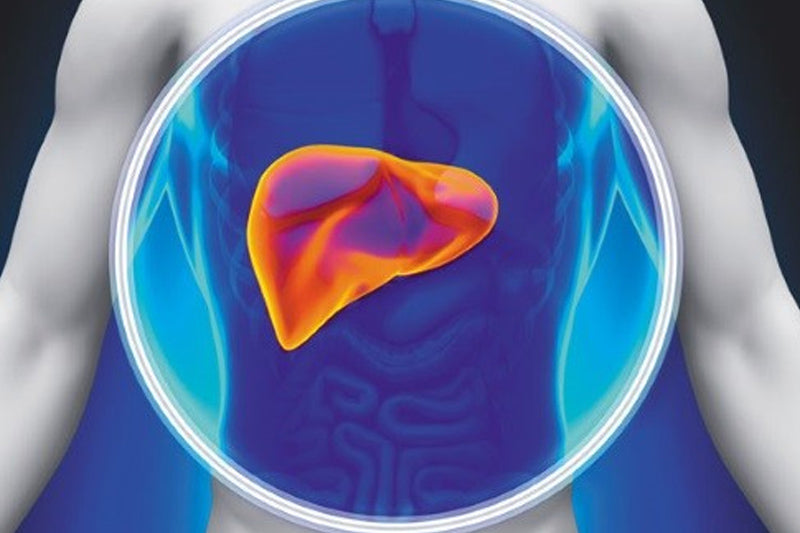
Its everyday responsibilities include:
- Processing carbohydrates, fats and proteins.
- Making proteins involved in blood clotting.
- Producing cholesterol and other essential substances.
- Processing waste products, including bilirubin.
- Storing nutrients such as iron and vitamin A.
What can affect liver health?
Alcohol is only one possible cause of liver damage. Other causes include chronic hepatitis B or C and fat buildup in the liver. Some medicines, toxins and autoimmune conditions can also cause damage.
A person's symptoms alone do not establish the cause. Medical history, examination and tests help a clinician understand what is happening.
Symptoms need context
Some liver conditions have few or no early symptoms. Fatigue and poor appetite can occur for many reasons, so they should not be used as a self-diagnosis checklist.
Yellowing of the skin or eyes, dark urine, unexplained swelling or easy bruising should be discussed promptly with a healthcare professional. A supplement is not a substitute for investigating these changes.