

Liver Detox & Health
Understand how the liver processes waste and other substances, and how everyday habits help maintain liver health.
Detoxification: the liver’s everyday work
The liver helps process substances carried in the blood, including medicines, alcohol and waste produced by normal metabolism. This is part of its ongoing work in the body.
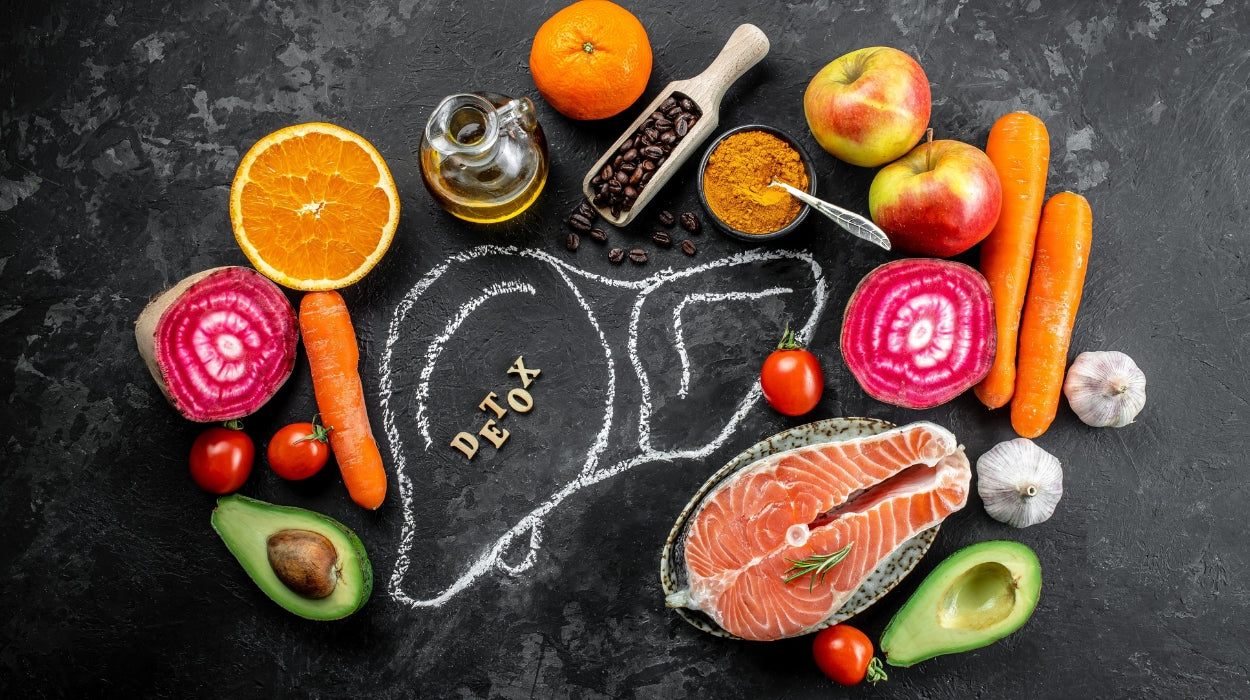
For example, it converts ammonia, a waste product of protein metabolism, into urea. The kidneys then remove urea in urine. Other waste products pass into bile and leave through the intestine: the liver works with other organs to process and remove waste.
Health: caring for your liver day by day
A balanced diet, regular physical activity and maintaining a healthy weight are practical ways to care for liver health over time.
Limit alcohol and take medicines as directed. Discuss medicines and supplements with a healthcare professional, especially if you have a liver condition or use several products together.
A varied diet, with everyday foods
Build variety with vegetables, fruit, whole grains, beans and suitable protein sources. Sweet potatoes, tomatoes, leafy greens, beans and bananas are examples of foods that also provide potassium.
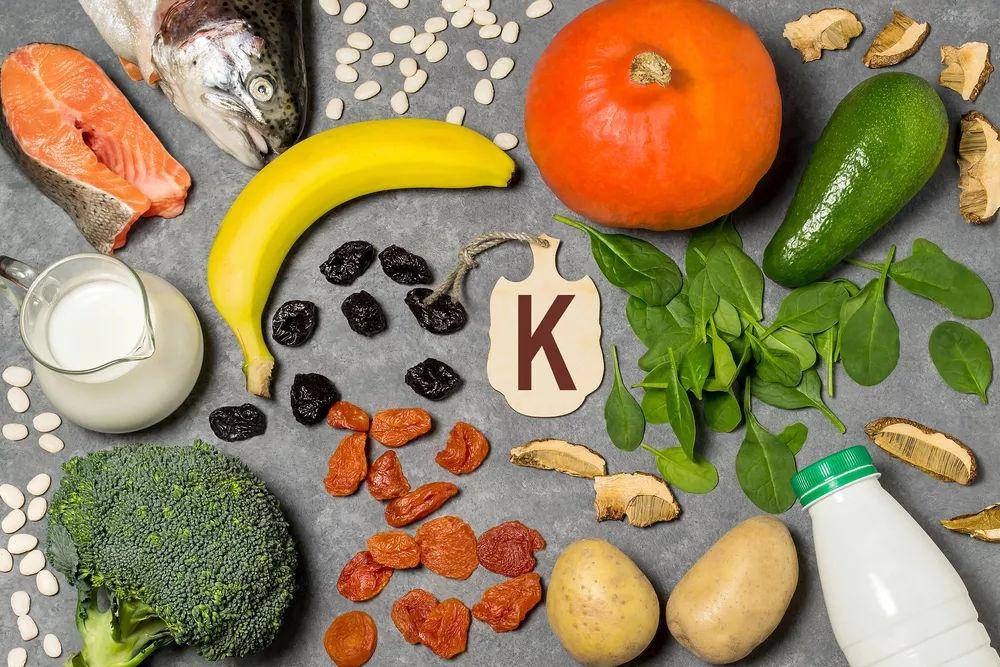
These foods contribute to everyday nutrition; no single food acts as a liver cleanse. People with kidney disease or taking certain medicines may need individual advice about potassium intake.
Understand botanical supplements
Milk thistle, dandelion and turmeric are often discussed in connection with liver health. Their presence in a supplement does not establish that it treats liver disease or removes toxins.
For milk thistle, clinical evidence in liver disease is conflicting or too limited for firm conclusions. Discuss supplements with a healthcare professional, especially if you have a liver condition or take medicines.